
Software compatibility can make a custom PC either run smoothly for years or turn into an expensive headache from day one.
For a small business, this usually shows up as programs that crash, printers that stop working, accounting software that will not install, or a machine that looks powerful on paper but slows people down in real work. That means lost hours, frustrated staff, outside repair bills, and sometimes malware if someone grabs the wrong driver or utility to “fix” it.
PowerLogic Power Monitoring Expert 9.0 only supports certain SQL Server versions, including 2016 Express and 2017 Standard or Enterprise.
If you are planning a custom build for your office, or you already have one that acts weird, this is what you need to check before it costs you more time than it saves.
What software compatibility actually means in a custom build
It means every part of the system has to work with the rest. Not just the motherboard and CPU. The operating system, drivers, business apps, browser add-ons, database version, backup software, and even vendor utilities all have to match up.
This is where a lot of office builds go wrong. Someone picks good hardware, installs Windows, sees it boot, and assumes the job is done. It is not.
A custom machine can fail in boring ways. Those are the costly ones.
- Your line-of-business software may need an older database version.
- Your scanner or label printer may only have stable drivers for certain Windows builds.
- Your accounting software may depend on .NET components or specific Office versions.
- Your backup software may not support the storage controller or virtual machine setup you chose.
One common example is database software. 2016 Express and 2017 Standard/Enterprise are specifically listed as supported for one business platform, which tells you something simple: if you install the wrong version, the whole setup may fail or act unstable.
That is why compatibility lists matter. They are not paperwork. They are the difference between a working office and a week of cleanup.
How bad compatibility decisions turn into business problems
The biggest problem is downtime. The second biggest is the hidden risk.
If a custom PC does not match the software it needs, people waste time on workarounds. Files get saved in odd places. Staff share logins. Updates get skipped because “last time it broke everything.” That is how small issues turn into bigger ones.
There is also the security side. A lot of business owners think compatibility is just about whether a program opens. It is also about whether you can patch it, trust it, and keep it clean.
Analysis of one billion CISA KEV remediation records showed the limits of handling software security at human scale. That matters because if your custom build uses odd drivers, old plugins, or unsupported app versions, those machines usually fall behind on fixes first.
Here is the business impact in plain English.
| Problem | Business impact |
|---|---|
| Wrong app or database version | Programs fail, staff stop working, outside support time goes up |
| Unsupported drivers or utilities | Random crashes, hardware features fail, updates get delayed |
| Unverified downloads | Malware, stolen passwords, cleanup and recovery costs |
| Missing dependencies | Install jobs fail halfway and waste hours of setup time |
The fix is usually not fancy. It takes planning, testing, and using the right software versions before you deploy machines to your staff.
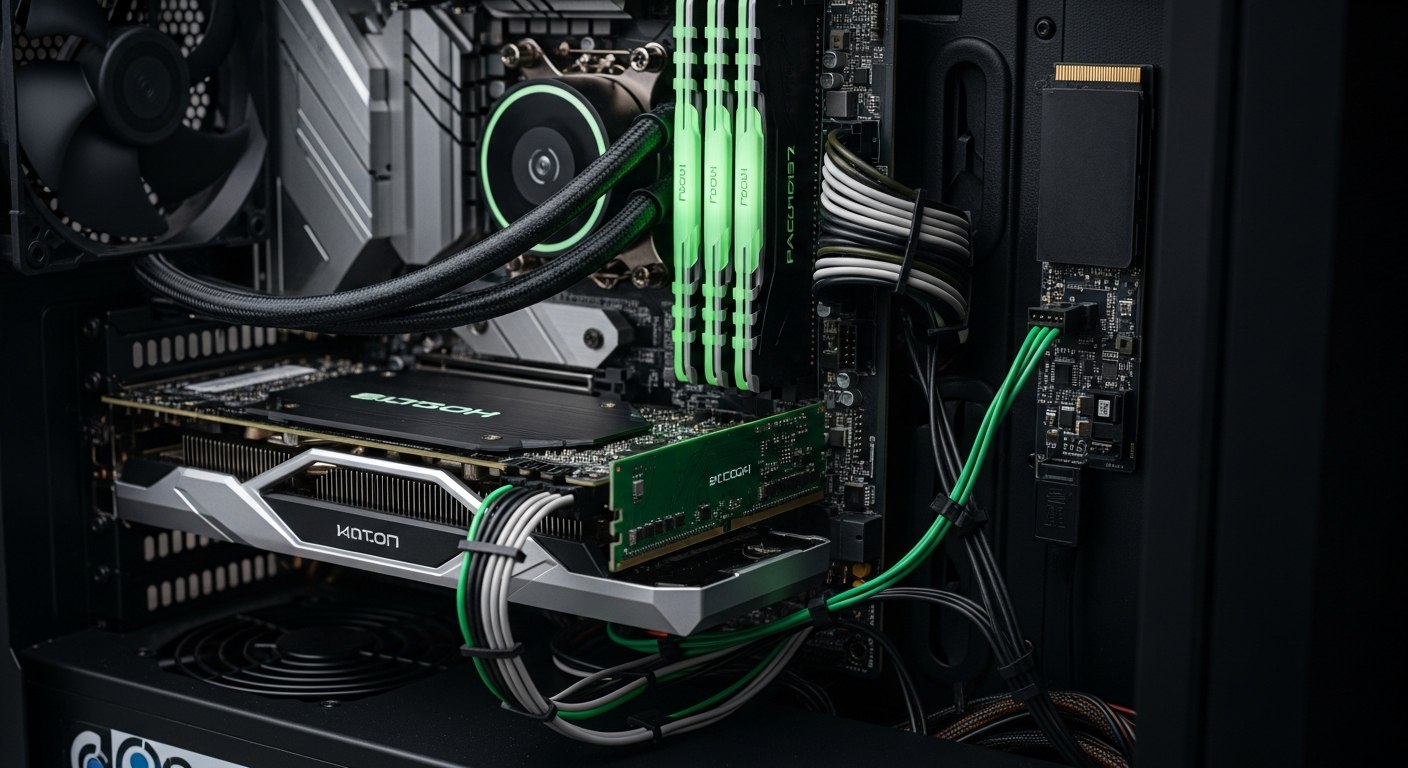
One of the biggest risks: trusted software that is not actually safe
Even trusted tools can become a problem if the source is compromised. That is not theory. It happens.
On April 10, 2026, hackers hijacked the CPUID website during a six-hour breach and changed download links for tools like CPU-Z and HWMonitor to serve malware, including credential stealers. That is exactly the kind of thing that hits custom builders because those machines often need hardware tools, driver packages, and monitoring software right after setup.
There was also a separate report showing CPUID suffered a supply chain attack after hackers accessed an API and changed official download links. If one of your staff or contractors downloaded a utility during that window, they could have brought malware straight onto a business machine from what looked like a normal vendor site.
This creates a real business problem:
- Saved passwords can be stolen.
- Microsoft 365 accounts can get hijacked.
- Bank logins and vendor portals can be exposed.
- You can lose days cleaning up one bad install.
The fix is simple, but it takes discipline. Download software only from verified sources, keep a record of what was installed, and do not let every employee install whatever tool they find in a forum post.
What to check before you buy or build anything
Check the software first. Then buy the hardware.
Most people do this backward. They build a fast PC and only later learn their main business app needs older drivers, a specific SQL version, or a feature missing from the setup they picked.
Start with this list:
- Write down every business-critical app you use.
- Check the supported operating system and database versions.
- Check printer, scanner, and specialty hardware driver support.
- Confirm backup software support for the system.
- Test the full setup on one machine before rolling it out.
Dependencies matter too. In Oracle systems, if you create custom software sources and do not include all needed packages from vendor sources, creation fails because the dependencies are incomplete. That comes straight from the dependent packages’ requirements. Different platform, same lesson: one missing piece can break the whole build.
This is usually where I see wasted money. A business buys parts, pays someone to assemble them, then pays again to rebuild the software side properly.
How to avoid getting burned later
Build around your work, not around specs. That is the whole game.
If your team uses QuickBooks, Microsoft 365, a line-of-business app, and a shared NAS, your custom build should be designed for that exact stack. Not for gaming benchmarks. Not for whatever parts were on sale.
Here is the long-term approach that works:
- Standardize builds so every office PC uses the same tested setup.
- Keep a software list with versions, license info, and download sources.
- Set rules on who can install software.
- Patch systems on a schedule after basic testing.
- Replace old unsupported software before it forces an emergency.
This does cost something up front. Usually, a few hours of planning and one proper test build. That is still cheaper than malware cleanup, staff downtime, and chasing random compatibility issues across ten different PCs.
If your office has custom-built computers, older database software, or machines that only work because “nobody touches them,” this is worth checking now. Kusma helps small businesses figure out which systems are safe to keep, which ones need cleanup, and which builds are going to cause trouble later. That is a lot cheaper than finding out after a bad update, a failed install, or a malware hit on a machine your whole office depends on.